
6 Physical Benefits of Yin Yoga
Anna Jeffery | JAN 6, 2024
yin yoga
yoga benefits
flexibility training
joint health
conective tissue
mind body connection
yin yoga for stress
yin yoga for stress reduction
yin yoga poses
relaxation techniques
stress reduction
yin yoga for mobility
yoga for flexibility
yin yoga benefits
yin yoga benefits for elderly
yin yoga benefits for athletes
physical benefits of yin yoga
So, why is yin yoga good for you?
One of the reasons why I was drawn to the practice of yin yoga was for the physical benefits.
Originating from ancient Taoist philosophies, yin yoga is a gentle, introspective practice that targets the connective tissues, nurturing flexibility and promoting deep relaxation.
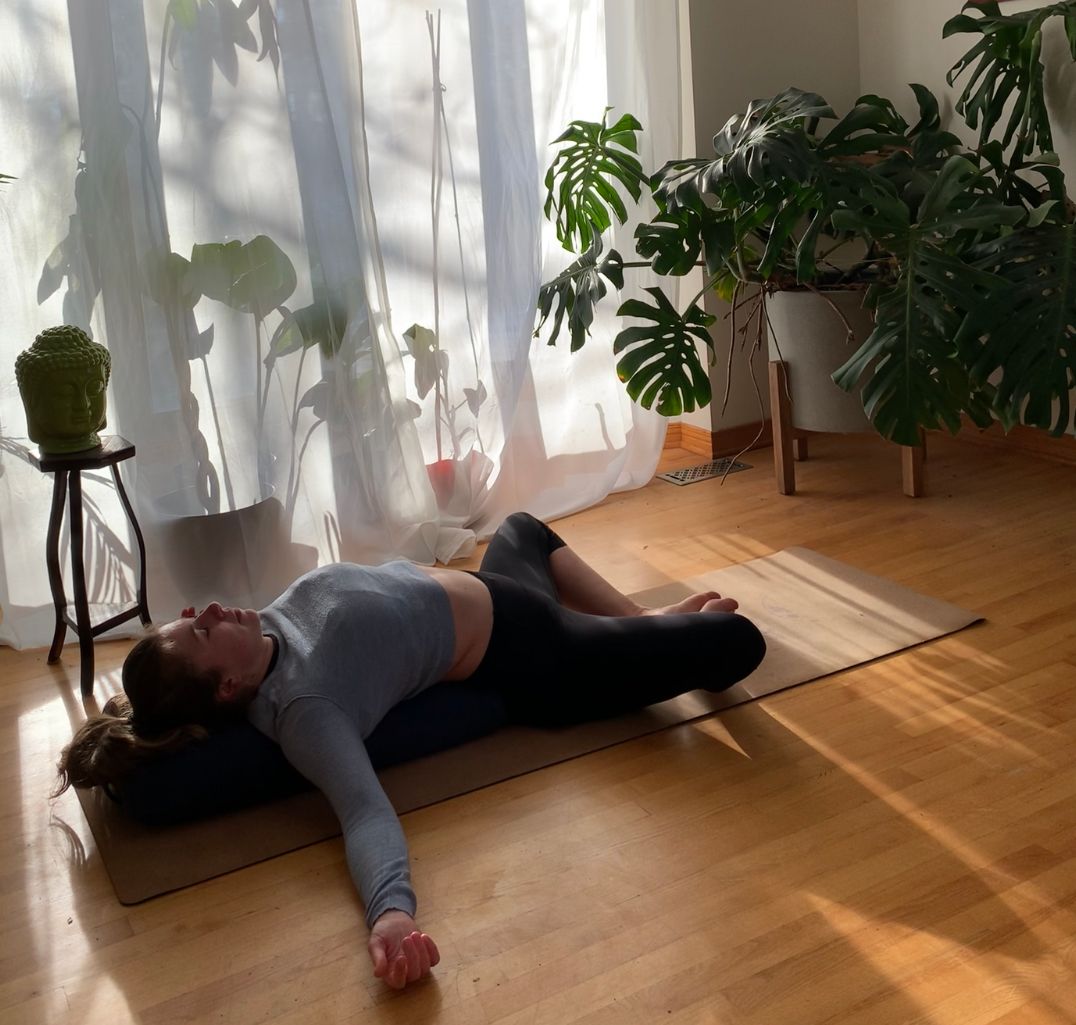
Unlike the more dynamic and active forms of yoga - "yang yoga", if you will - yin yoga involves holding passive poses for extended periods, typically ranging from 2 to 5 minutes, or even longer. This prolonged stillness cultivates a space for self-awareness and inner exploration, while also providing many physical benefits that can be felt even after your first class.
I am a sucker for a good list, so here is my attempt to cover all of the physical benefits of yin yoga:
- Enhanced Flexibility: The long, steady holds in yin yoga gently allow muscles and connective tissues to release tension and tightness. As you surrender into each pose, fascia - the connective tissue surrounding muscles - softens, fostering greater suppleness and improved joint mobility.
- Joint Health and Mobility: Delving into poses that specifically target joints - such as hips, spine, and pelvis - yin yoga nurtures joint health by lubricating them and enhancing their range of motion. This can reduce stiffness and discomfort, allowing for more fluid movements.
- Stress Reduction and Relaxation: Yin yoga has a very meditative element to it. I often call it "an internal yoga practice" since we are not as distracted by movement, so we have time to sit with ourselves. We encourage deep, intentional breathing, which triggers the parasympathetic nervous system, inducing a state of relaxation. This aids in lowering cortisol levels, reducing stress, and fostering a sense of calm and mental clarity.
- Improved Circulation: By holding poses that gently compress and stretch specific areas, blood flow is stimulated. This increased circulation nourishes tissues and supports organ function for overall vitality.
- Balanced Energy Flow: According to traditional Chinese medicine, yin yoga helps balance the body's energy pathways, called "meridian lines". If you have ever gone for acupuncture before, this also uses the concept of these meridian lines and aims to open the flow of any blocked channels. This helps foster equilibrium in the body’s energetic system, and ultimately promote overall well-being and vitality.
- Mind-Body Connection: Through extended holds in stillness, yin yoga encourages a connection between the mind and body. This awareness cultivates mindfulness and self-reflection, fostering a deeper understanding of oneself beyond the physical form.
If you are starting your yin yoga practice, remember that patience and consistency are key to unlocking these physical benefits. Yin yoga invites us to embrace the subtle yet transformative benefits of stillness.
So, why do I think yin yoga is so good for us? It provides a gentle way to physical restoration, emotional balance, and - hopefully, someday - greater inner harmony.
May you find solace in the gentle embrace of stillness and emerge renewed, both in body and spirit.
Be kind & stay well
xx Anna 'Jay' Jeffery
Anna Jeffery | JAN 6, 2024
Share this blog post

EMAIL ANNA 'JAY' JEFFERY
© 2026 Jay Bird Yoga - Home